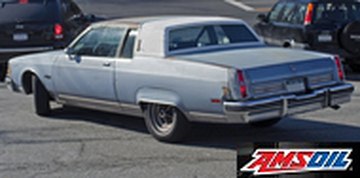
Lubrication Maintenance for the 1980 Oldsmobile 98 5.7L Diesel
Maintaining a diesel engine requires a disciplined approach to fluid management and regular inspections. For the 1980 Oldsmobile 98 equipped with the 5.7L diesel powerplant, consistent attention to lubrication systems is a fundamental aspect of long-term vehicle health. Because diesel engines operate under different thermal and mechanical stresses than gasoline counterparts, understanding how to monitor and maintain your engine oil is essential for any owner.
Monitoring Lubricant Condition and Consumption
One of the most effective ways to stay ahead of potential issues is to regularly observe the condition of the engine oil. This involves more than just checking the level; it includes noting changes in the lubricant's appearance or behavior. If you notice a significant change in how much oil the engine seems to use between service intervals, it warrants a closer investigation.
Unusual symptoms can sometimes serve as early indicators that something requires attention. For instance, an unusual odor or visible signs of fluid near the engine block may indicate that oil is contacting a hot surface. Similarly, any changes in how the engine sounds during operation or unexpected exhaust characteristics should be investigated. It is important to remember that these symptoms can have multiple causes, ranging from simple seal seepage to more complex mechanical concerns, and they should not be used to diagnose a specific component without a professional inspection.
Systematic Inspection of Engine Components
A proactive maintenance strategy involves regular visual checks of the engine compartment. When performing routine service, take the opportunity to inspect various components for signs of age-related wear or environmental impact. This does not mean replacing parts based solely on their age, but rather assessing their current condition to prioritize future needs.
During these inspections, look for the following:
- Seals and Gaskets: Inspect accessible gaskets and seals for any signs of seepage or leakage. Even small amounts of moisture around sealing surfaces can indicate that a component is beginning to age.
- Hoses and Connections: If present, check hoses for signs of cracking, softening, or bulging. Ensure that electrical connections and wiring harnesses appear secure and free from excessive corrosion.
- Drive Components: If equipped, inspect accessible drive belts for evidence of glazing, fraying, or surface cracking.
- Cooling System: Look for any visible signs of leakage around the cooling system components to ensure the engine remains within its proper operating temperature range.
By identifying these subtle changes early, you can move from a reactive maintenance style to a more controlled, preventive approach.
Managing Long-Term Engine Health
For an owner of a 1980 Oldsmobile 98, establishing a clear history of the vehicle's service is highly beneficial. If you are currently unaware of the previous maintenance performed on the 5.7L diesel engine, your first priority should be to establish a baseline. This can be done by performing a thorough inspection and documenting the current state of all fluids and major components.
Once a baseline is established, keep detailed records of every oil change, filter replacement, and mechanical repair. Documenting the specific products used and the dates of service allows you to identify patterns, such as how quickly certain fluids are consumed or how often specific parts require attention. This data is invaluable when deciding whether a maintenance task is an urgent necessity or part of a long-term preventive plan. When faced with multiple maintenance tasks, prioritize those that address active leaks, visible warning signs, or overdue service items identified in your records.
The Role of Clean Lubrication
Engine oil performs several vital roles that are critical to the operation of the 5.7L diesel engine. Beyond basic lubrication, the oil is responsible for managing heat and helping to control the buildup of internal deposits. As the oil circulates, it helps carry heat away from high-friction areas, assisting the cooling system in maintaining stable temperatures.
Over time, all lubricants undergo chemical changes due to thermal stress and exposure to combustion byproducts. This can lead to the formation of sludge or other deposits if the oil is not changed according to a consistent schedule. Maintaining clean, fresh oil ensures that the engine's internal components remain protected against friction and that the lubricant continues to perform its heat-management functions effectively.
Effective Maintenance Prioritization
As vehicles age, maintenance needs can shift. Rather than following a rigid, one-size-fits-all schedule, it is more effective to base your priorities on the actual condition of the vehicle. A well-documented service history allows you to distinguish between necessary repairs and unnecessary parts replacement.
If you notice changes in fluid condition or an increase in consumption, these should be addressed before moving on to other non-critical tasks. Monitoring the integrity of aging materials—such as rubber hoses or electrical insulation—can also help prevent unexpected downtime. The goal is to use your observations and records to create a maintenance plan that is tailored to the specific state of your 1980 Oldsmobile 98.
Practical Advice for Buying Engine Oil for your 1980 Oldsmobile 98 5.7L
When it is time to replenish your engine's lubrication, selecting a product that matches the specific requirements of your diesel engine is paramount. Because different engines have unique needs regarding additive packages and base oils, you should never rely on general automotive knowledge or assumptions based on the vehicle's age.
To ensure you are using the correct lubricant, match the engine oil to the application-specific viscosity information already displayed on this page. Before making a purchase, carefully check the product labeling to verify that it meets the necessary quality standards and certifications for your specific application. Depending on your maintenance goals and the current condition of your engine, you may choose between conventional, synthetic blend, or full synthetic formulations. Some high-mileage oil formulations also contain additives intended for use in aging engines, including seal-conditioning additives. Always prioritize the technical specifications provided in the application information above to ensure the best possible protection for your 5.7L diesel engine.